
 Photoshop
 Maya
Maya ZBrush
 Houdini
 Substance Painter
 Blender
 Arnold
 Nuke
Nuke KeyShot
 V-Ray
V-Ray Marvelous Designer
 Mari
Mari Marmoset Toolbag
 Substance Designer
 3ds Max
 Redshift
 3D Coat
 Lightroom
 Faceform Wrap
 After Effects
 Octane Render
 Speed Tree
 Daz3D
Daz3D Reality Capture
 Agisoft Metashape
 Modo
Modo Fusion
 Gravity Sketch
 Gaea
Gaea Premiere
 Cinema 4D
 Procreate
 Katana
 Quixel DDO
 Mudbox
 Mixamo
 SketchBook Pro
 SketchUp
 Adobe Medium
 Clip Studio Paint
 Natron
 Quixel Bridge
 Quixel Megascans
 Quixel Mixer
 Substance 3D Modeler
 World Creator
 Yeti
Yeti Ziva VFX
 Massive
 Materialize
 TreeIt
 Ornatrix
 PreForm
 SynthEyes
 Corel Painter
 QuickTime
 StoryboardPro
 xNormal
 animBot
 Unity
Unity ReCap
ReCap MeshMixer
 Gaffer
 DaVinci Resolve
 World Machine
 Krita
Krita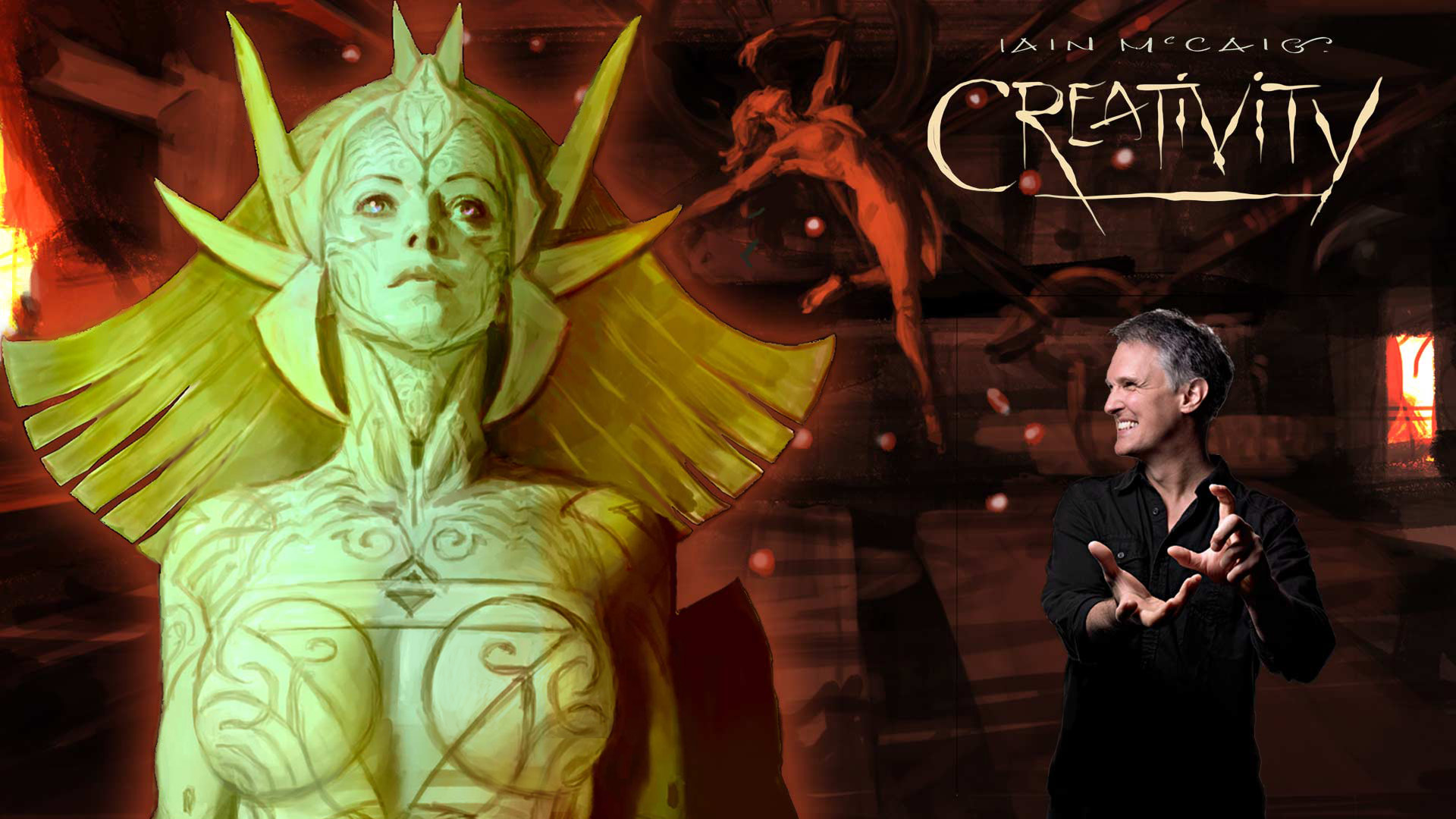






11 Lessons
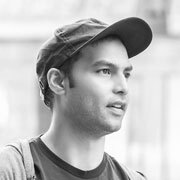
Josh Herman brings extensive cross-industry experience from major studios to this character concept art workshop. His iterative, multi-software approach reflects real-world production practices used in both film and gaming. He outlines how his workshop will offer practical insights from someone who has worked on some of the entertainment industry's biggest franchises, making it valuable for aspiring concept artists in both fields.
Duration: 3m 21s

This lesson effectively demonstrates an exploratory, iterative approach to character design that prioritizes flexibility and frequent evaluation over linear progression. Josh's willingness to drastically change direction (from an elderly woman to a younger character, from witch-like to ceremonial cult leader) shows the value of keeping options open during early development. He explains why rough exploration through quick sculpts and paint-overs can efficiently establish mood, composition, and design direction without committing excessive time to any single idea, ultimately leading to stronger final concepts.
Duration: 35m 4s

This lesson emphasizes an efficient, concept-focused approach to character design in ZBrush. Josh prioritizes exploration and iteration over perfection, using techniques such as constant undo/redo comparison and material toggles to evaluate design choices. He explains why it's important to work smart by focusing effort where it matters most, while using time-saving techniques like mesh duplication for costume creation and limiting the brush palette to maintain workflow efficiency.
Duration: 41m 1s

This lesson demonstrates the value of separating the posing, modeling, and composition phases when creating complex character illustrations. By using mannequins for pose exploration, layering costumes onto posed figures, and conducting regular lighting tests, Josh maintains flexibility and avoids committing too early to elements that may need revision. His approach emphasizes efficiency and iteration, which allows artists to make informed decisions about proportion, balance, and composition before investing time in final details.
Duration: 16m 38s

This lesson showcases a practical problem-solving approach to 3D lighting and composition, emphasizing experimentation and iteration. Josh's willingness to troubleshoot, simplify his approach, and move between 3D software and Photoshop demonstrates a flexible workflow focused on achieving the desired visual result rather than adhering to a single method. His iterative process of rendering, compositing, and refining helps inform decisions about character presentation and prepares for the next phase of costume resculpting.
Duration: 5m 43s

This lesson demonstrates a comprehensive character design workflow that emphasizes exploration, frequent evaluation, and methodical refinement. Josh shows how sculpting is an iterative process that requires constant assessment of design choices, particularly when working without references. By establishing clear design intentions and polishing forms before breaking them into separate components, he demonstrates an efficient pipeline for the detailed work ahead.
Duration: 22m 28s

This lesson showcases how modern ZBrush tools have evolved to make hard-surface modeling faster and more intuitive than traditional methods. By combining panel loops, Z-Remesher, and ZModeler with sculpting techniques, artists can learn how to efficiently transform concept sculpts into clean, detailed components while maintaining creative flexibility throughout the process. Josh explains why the key lies in finding your preferred settings early and in maintaining organizational discipline to avoid the complexity that often plagues hard-surface work in ZBrush.
Duration: 20m 1s

The final posing stage requires patience, anatomical knowledge, and a willingness to continuously refine rather than seeking perfection in a single adjustment. Josh's iterative approach of constantly toggling undo/redo, checking silhouettes, and making small tweaks demonstrates that successful character posing is as much about sculpting as it is about rotation and translation. By working gradually, especially on challenging poses like overhead arm positions, and maintaining flexibility about preserving original geometry, artists can learn how to achieve natural, balanced character poses that effectively convey weight, gesture, and personality.
Duration: 13m 41s

This lesson presents a practical hybrid workflow combining Marvelous Designer's cloth simulation capabilities with ZBrush's sculpting tools for concept art development. While Josh encounters several technical challenges, particularly with mesh complexity causing simulation issues, his demonstrated problem-solving approaches (DynaMesh, decimation, freezing elements) provide valuable lessons for working efficiently. He explains why, for concept work, perfect technical execution matters less than achieving visually appealing results quickly, and knowing how to blend procedural simulation with manual sculpting creates flexible, efficient workflows for adding realistic cloth elements to character designs.
Duration: 19m 35s

This lesson showcases an iterative, experimental approach to 3D rendering that balances efficiency with creative exploration. By building on previous work while remaining open to testing new techniques, Josh demonstrates how familiarity with software tools enables faster decision-making without sacrificing quality. His multi-pass rendering strategy demonstrates a professional workflow that separates rendering from final compositing, enabling greater flexibility in post-production adjustments.
Duration: 11m 17s

The final lesson showcases Josh's hybrid 3D-to-2D workflow that leverages the strengths of both rendering and digital painting. His key philosophy is that, once you have your renders, you should treat the image as a traditional painting, freely adjusting elements to achieve the best visual result rather than being constrained by 3D accuracy. His process is highly flexible — artists can stop at whatever stage matches their skills and deadlines, whether that's basic renders or extensively painted illustrations. By combining efficient techniques such as clown passes and layer masks with traditional painting fundamentals, artists can create polished concept art that is both technically solid and artistically expressive.
Duration: 27m 21s

Primary tools
For this workshop you’ll need:


* Note that these programs and materials will not be supplied with the course.
Skills Covered
Who’s this Workshop for?
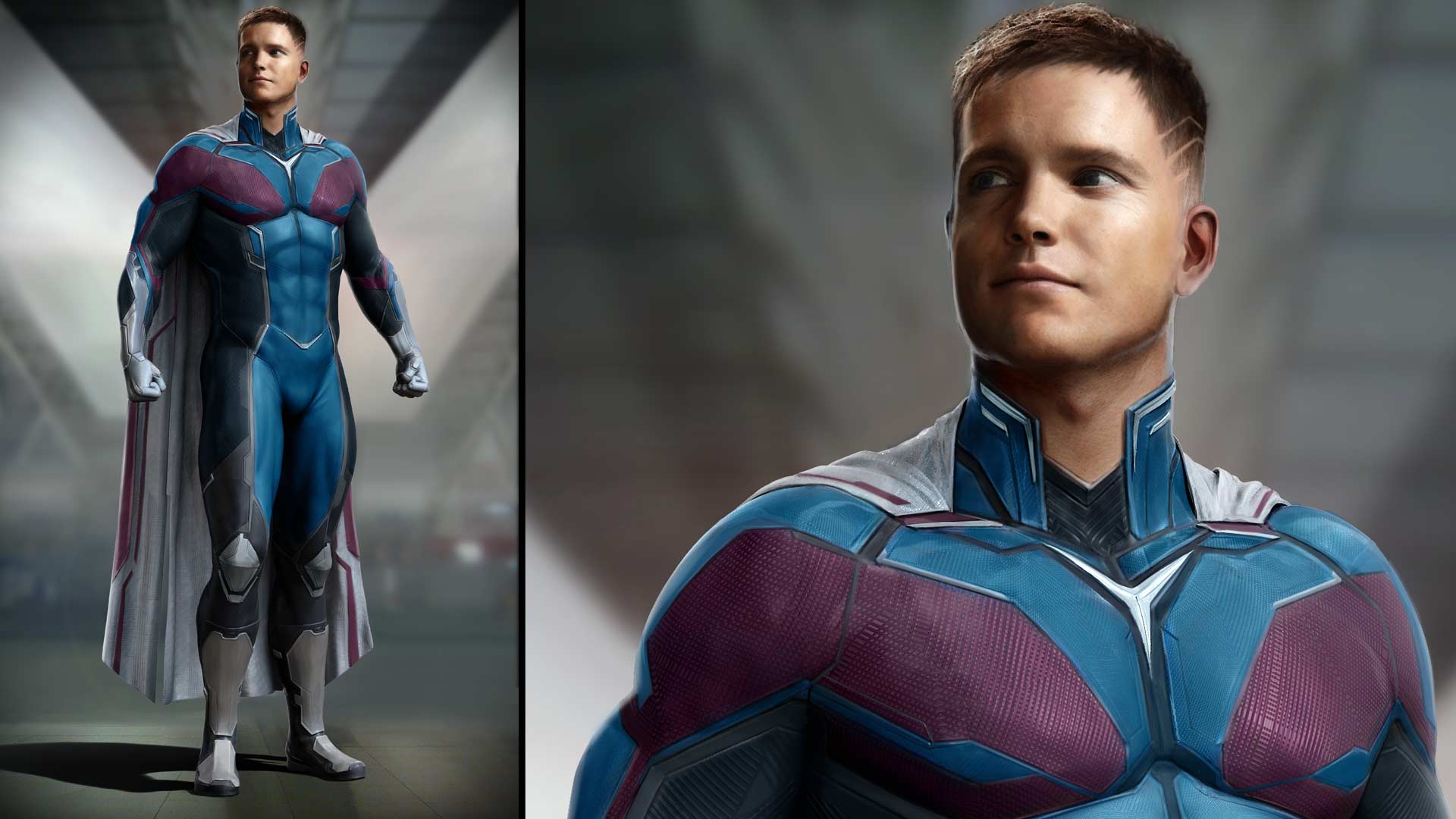
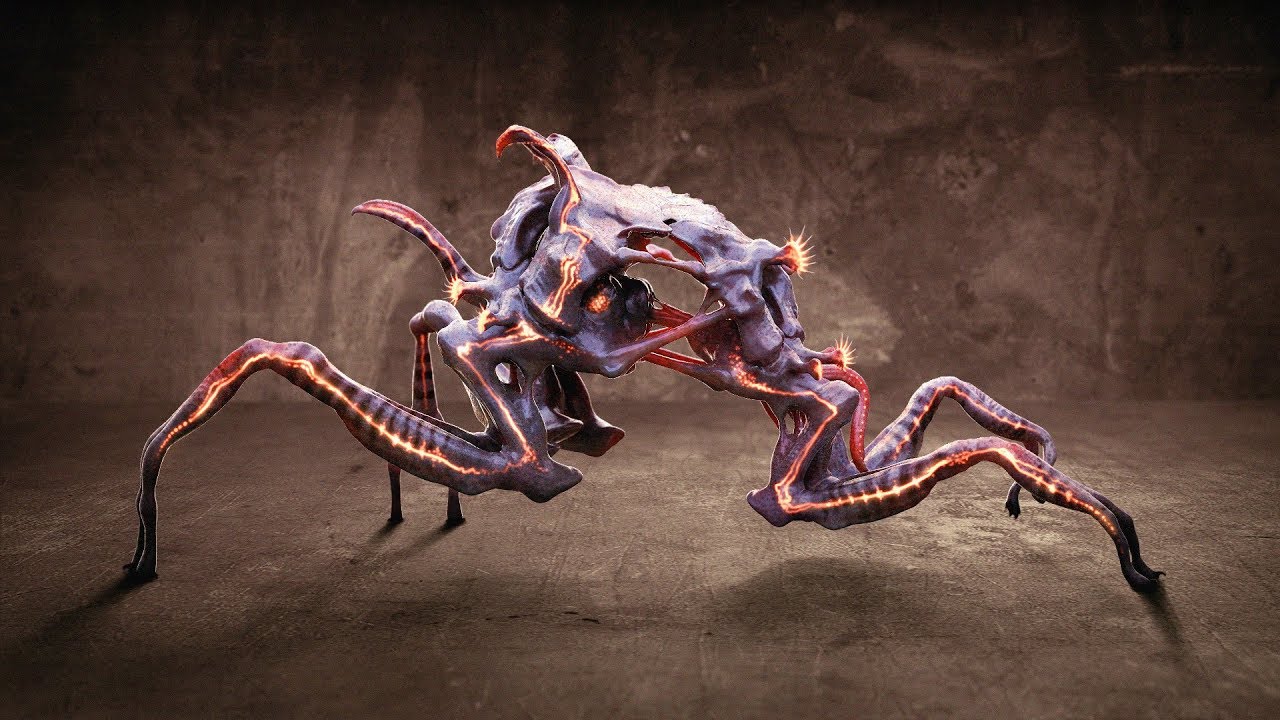
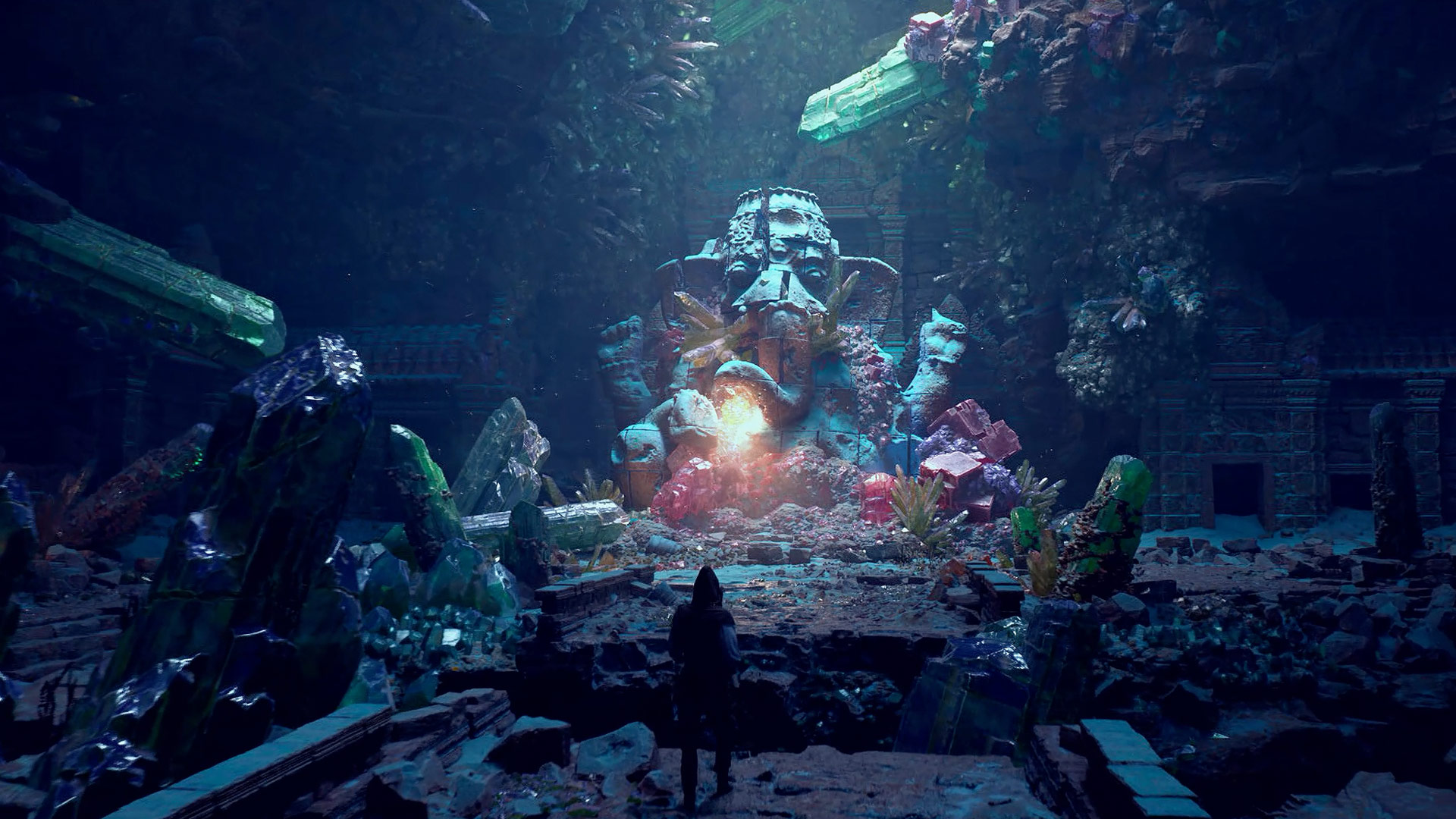
This workshop focuses on sculpting characters for concept illustration using a hybrid 2D and 3D workflow, and is designed for intermediate to advanced 3D artists, character designers, and concept artists. Josh Herman's training is ideal for artists looking to strengthen the process of moving from early ideas to polished, presentation-ready images.
Game developers, animation professionals, and freelance artists seeking a more streamlined creative process will find great value in this workshop. It demonstrates how strategic switching between software tools can overcome creative blocks, making it essential for anyone aiming to build a fluid and efficient character development pipeline.
Learning Outcomes
On completing this workshop, artists will have mastered a comprehensive character art pipeline that seamlessly integrates concept development, 3D sculpting, and post-production techniques.
Key skills include:
- How to develop initial character concepts efficiently using ZBrush and Photoshop exploration techniques.
- How to sculpt detailed costume elements and refine character anatomy within ZBrush workflows.
- How to pose characters effectively and establish compelling compositions for final presentations.
- How to set up professional lighting scenarios using KeyShot for realistic character visualization.
- How to create authentic cloth details and fabric textures using Marvelous Designer integration.
- How to enhance final renders through advanced Photoshop layering, blending, and color correction.
- How to establish an efficient 2D-3D hybrid workflow for rapid concept illustration development.


