
 Photoshop
 Maya
Maya ZBrush
 Houdini
 Substance Painter
 Blender
 Unreal Engine
 Arnold
 Nuke
Nuke KeyShot
 V-Ray
V-Ray Mari
Mari Marvelous Designer
 Marmoset Toolbag
 Substance Designer
 3ds Max
 3DCoat
 Redshift
 Faceform Wrap
 Lightroom
 After Effects
 OctaneRender
 SpeedTree
 Daz 3D
 Agisoft Metashape
 Fusion
 Modo
Modo RealityCapture
 Gaea
Gaea Cinema 4D
 Gravity Sketch
 Premiere
 Procreate
 Clip Studio Paint
 SketchUp
 SketchBook
 Katana
 Natron
 Mudbox
 Quixel Bridge
 Quixel Megascans
 Quixel Mixer
 Substance 3D Modeler
 World Creator
 Yeti
Yeti Ziva VFX
 Mixamo
 Adobe Medium
 Quixel DDO
 xNormal
 Meshmixer
 Storyboard Pro
 DaVinci Resolve
 TreeIt
 World Machine
 Gaffer
 Corel Painter
 SynthEyes
 Krita
Krita Massive
 Materialize
 Unity
Unity Ornatrix
 PreForm
 Moi 3D
 animBot
 QuickTime
 ReCap
ReCap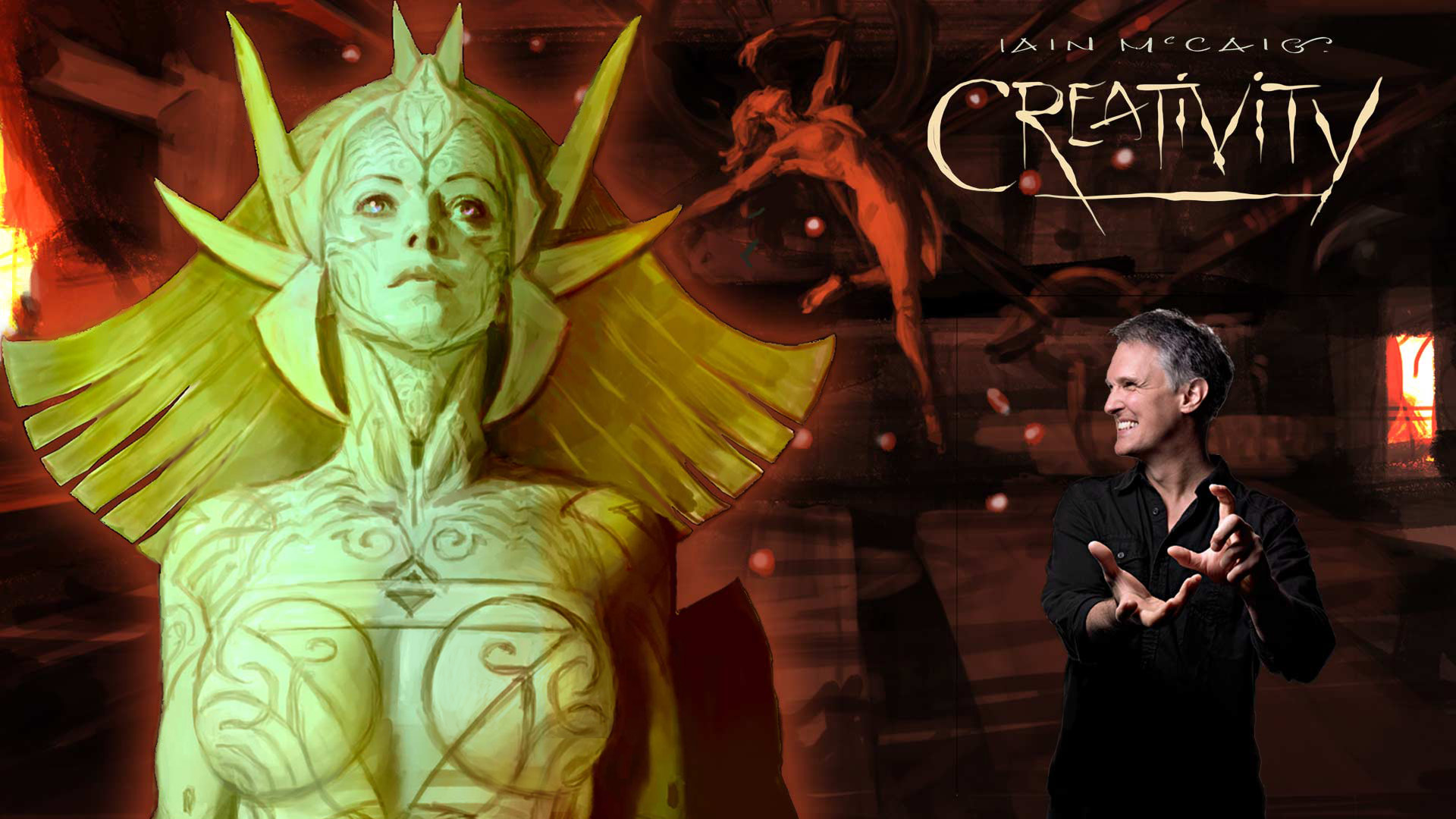
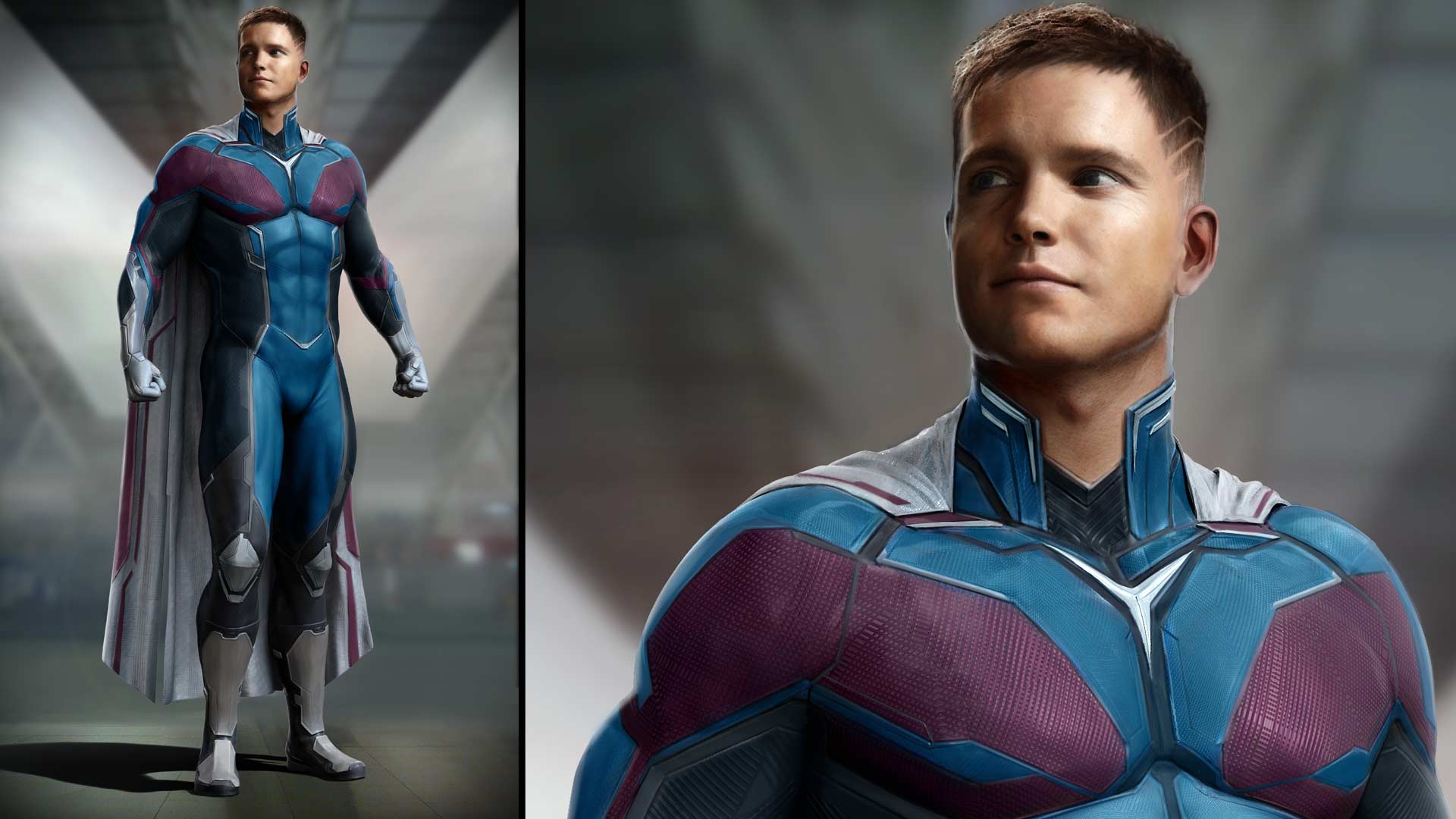
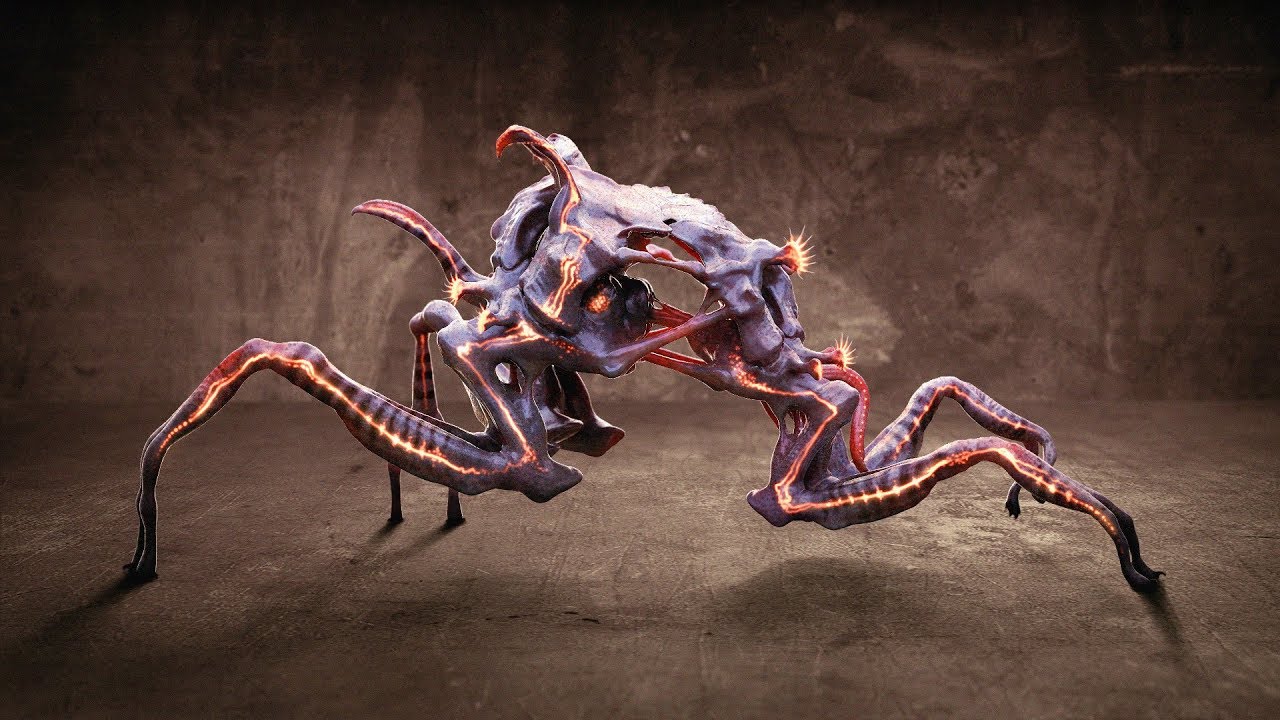
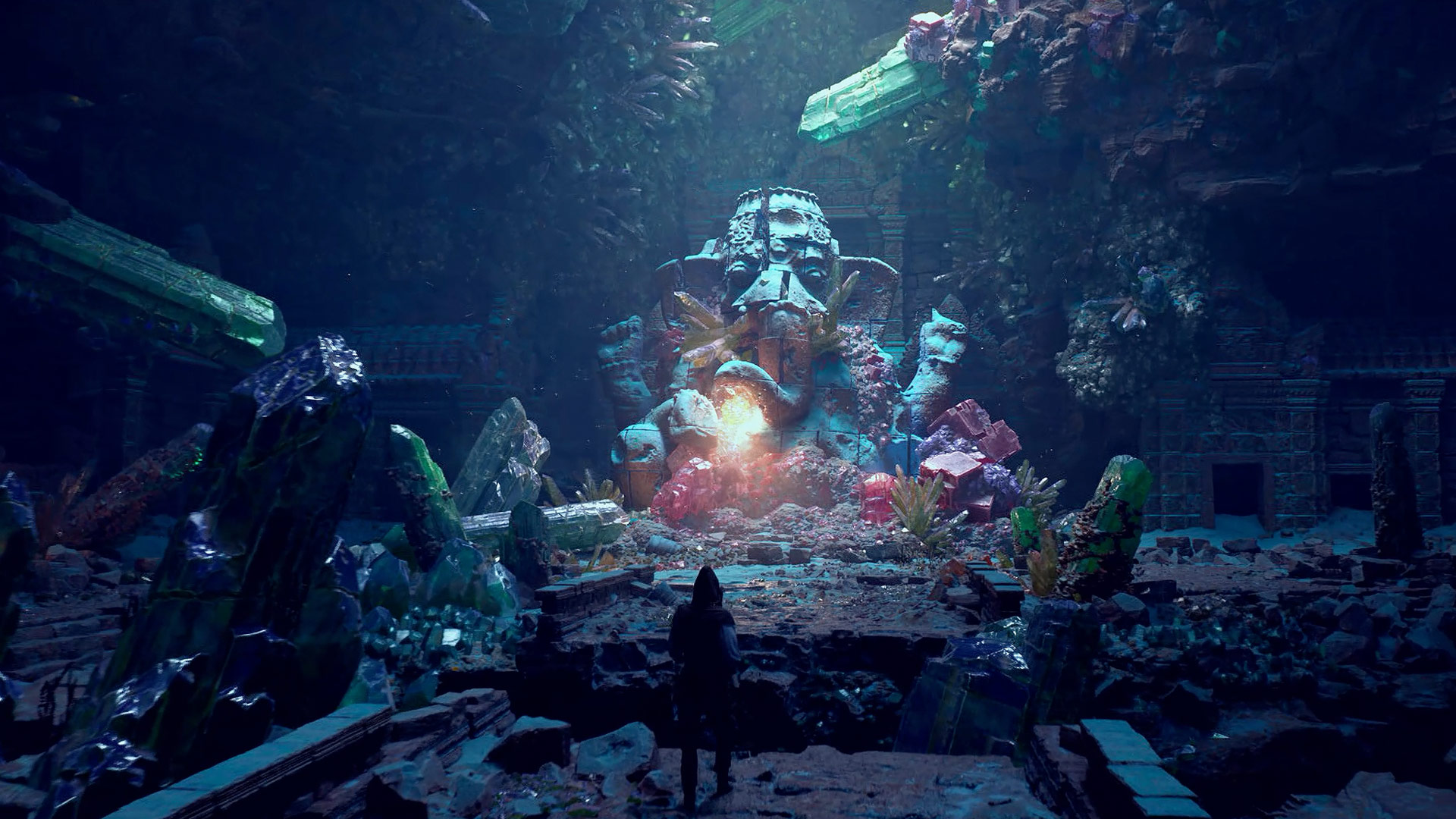
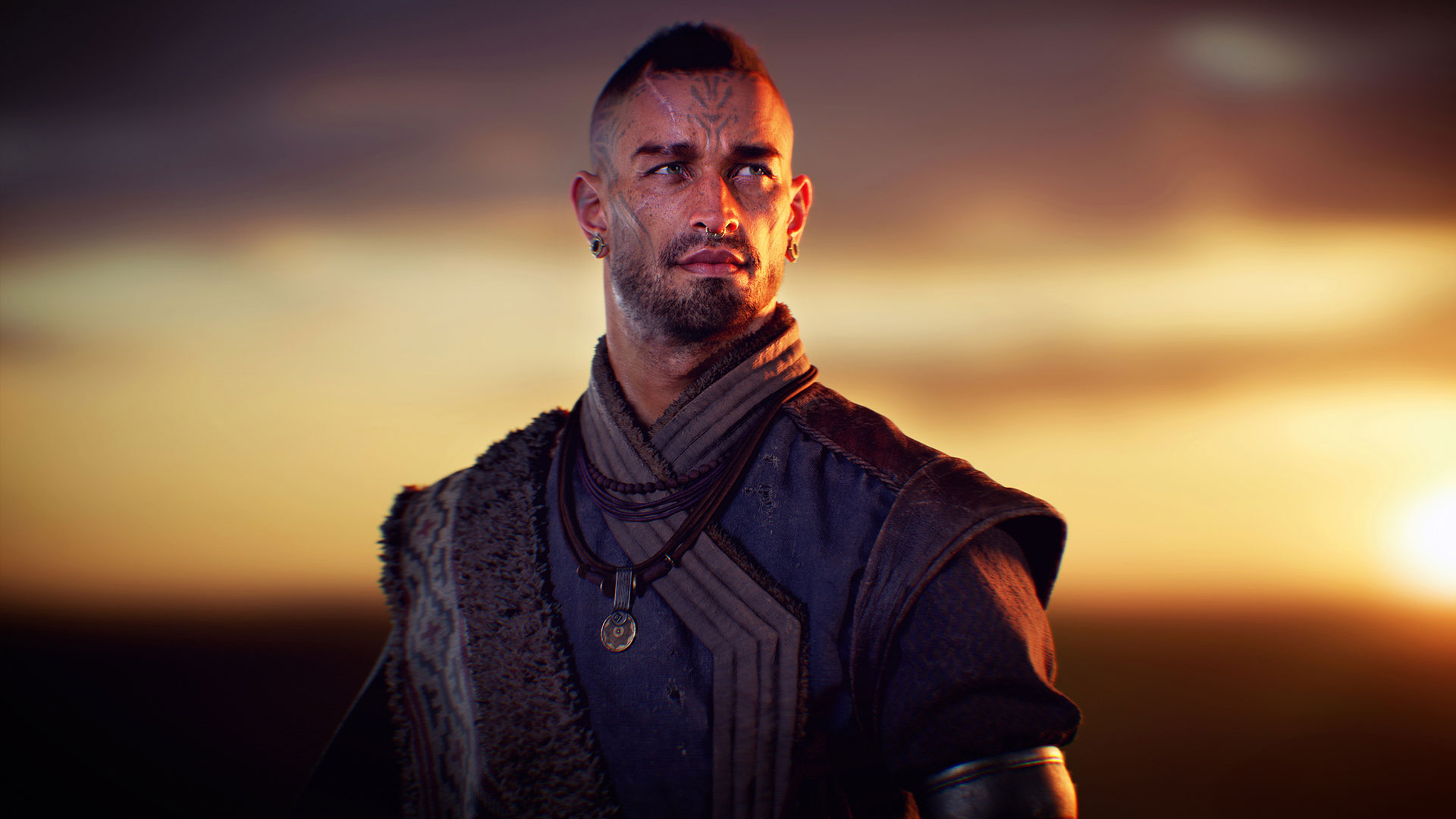

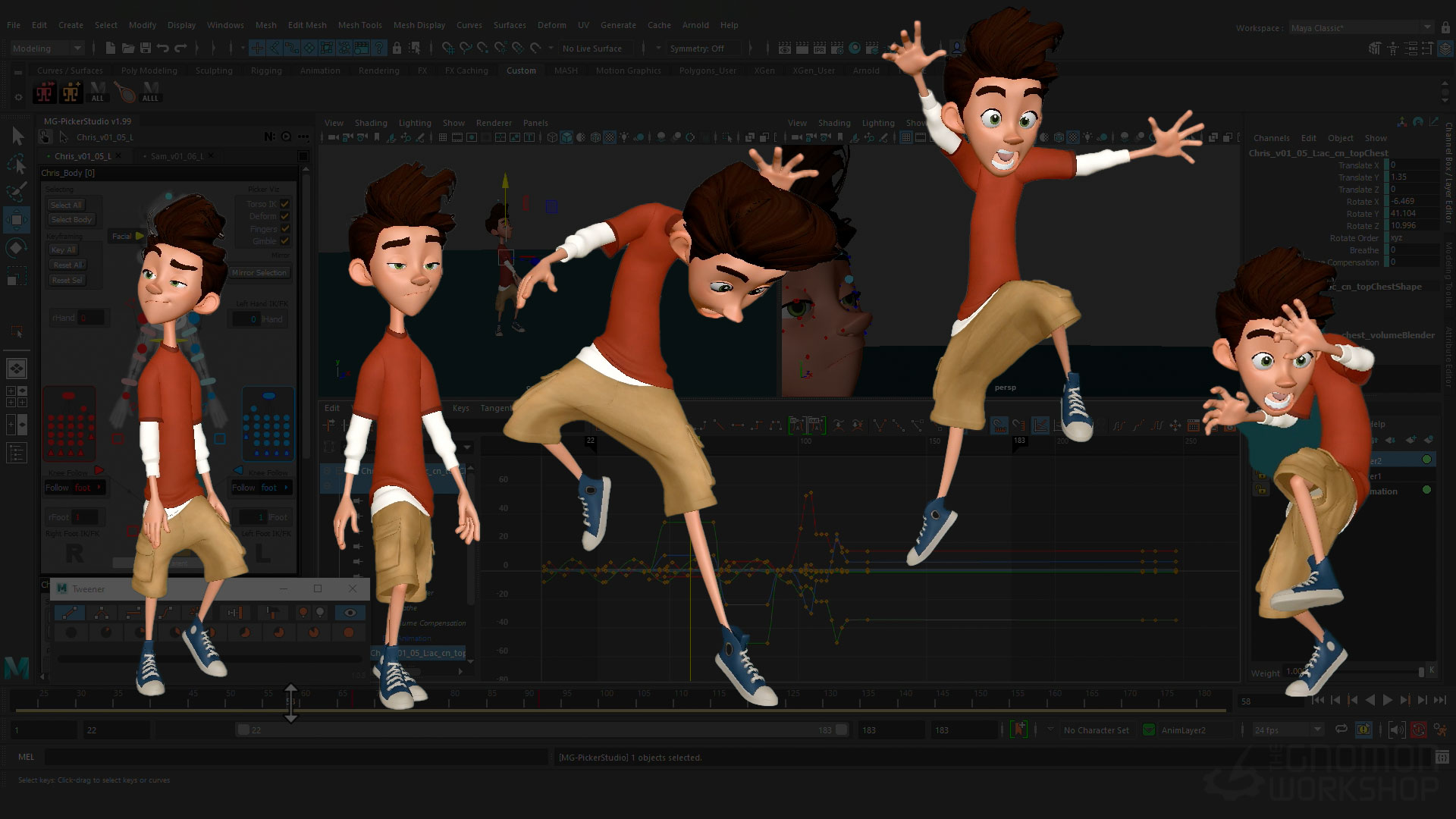







This creature design workshop by Wētā FX Lead 3D Modeler, Pascal Raimbault, covers his complete pipeline for concepting unique characters for production. Starting from the 2D design in Krita, Pascal moves on to progressively build a 3D model that is truthful to the original concept, using Maya and ZBrush.
This comprehensive workshop details some of Pascal’s favorite skin-sculpting techniques in ZBrush. He explains how he makes his models production-friendly, including how to rework the topology and handle the UVs in Maya. Pascal also covers creating additional elements, such as hard-surface costume pieces detailed in ZBrush, making extensive use of ZBrush’s powerful Polygroups.
The texturing portion is all handled using Substance Painter and covers a variety of materials. The look-dev and turntable setup is then explained in Houdini using Solaris, and finally, the model is rigged in Maya to be posed and rendered in Karma.
The result of this workshop is a final asset suitable for any department in a studio environment to take over, whether to use the asset for a visual effects production or in a game cinematic. To finish off, Pascal shows his high-res renders produced using some basic compositing tricks in Houdini.
Project files include the ZBrush 2022 tool file, which includes the high-resolution skin sculpt and an early WIP version of the costume model, for your reference.
14 Lessons
Pascal Raimbault introduces his workshop, which offers valuable insight into professional creature design by demonstrating a comprehensive pipeline that spans from initial concept to final render. His approach emphasizes both technical proficiency across multiple industry-standard software tools and the importance of establishing character personality early in the design process. His methodology, refined through decades of work on major film productions, provides a production-friendly framework that aspiring creature artists can apply to their own projects.
Duration: 1m 45s

This lesson emphasizes that effective creature design comes from thoughtful observation, rapid iteration, and separating artistic decisions from technical concerns. By building a strong reference library and using 2D painting as a flexible exploration tool, artists can learn how to quickly generate and refine unique creature concepts before investing time in 3D production. Pascal explains why the key is to maintain creative freedom while making purposeful design choices that serve the character's story and function.
Duration: 17m 52s

This lesson demonstrates a production-proven approach to character modeling that prioritizes problem-solving and flexibility over premature detail. By blocking out all elements simultaneously at low resolution in Maya, Pascal shows how to identify proportion, scale, and articulation issues early in the process. These issues would be more time-consuming to fix after detailed sculpting. His methodical foundation, combined with proper technical setup and clean geometry, creates an ideal starting point for high-resolution sculpting in ZBrush while maintaining the integrity of the original concept art.
Duration: 27m 5s

This lesson emphasizes a flexible, iterative approach to character creation that prioritizes exploration over perfection in early stages. Pascal demonstrates how combining ZBrush's organic sculpting capabilities with Maya's hard-surface tools creates an efficient pipeline for complex character armor design. The key lies in maintaining loose, editable geometry throughout the blocking phase, using tools such as DynaMesh and Polygroups to preserve creative freedom while establishing a solid foundation for high-resolution detail work later in production.
Duration: 19m 30s

This extensive sculpting lesson emphasizes that high-quality character work requires patience, iteration, and strategic decision-making about where to invest detail. Pascal's willingness to redo work multiple times and use various technical approaches (stamps, alphas, different brushes) shows that professional sculpting is as much about workflow efficiency as artistic skill. The key lies in finding a balance between symmetry and asymmetry, detailed and smooth areas, and continuing to refine versus moving forward with the project. He explains why understanding when work is "good enough" is just as important as the technical sculpting skills.
Duration: 25m 48s

This comprehensive modeling lesson demonstrates Pascal's methodical approach to creating intricate hard-surface costume designs in ZBrush. He emphasizes the importance of establishing a clear design language early through Polygroup definition, being willing to restart sections that aren't working, and balancing artistic exploration with technical efficiency. The resulting topology is suitable for rendering static or minimally deforming assets, demonstrating how workflows can be adapted to project requirements. His piece successfully translates 2D concept art with ambiguous details into a cohesive 3D design through consistent application of techniques and architectural inspiration.
Duration: 25m

This comprehensive lesson demonstrates the bridge between artistic sculpting and production-ready assets for visual effects. Pascal's process emphasizes that, while automated tools like ZRemesher can accelerate initial topology creation, manual refinement remains essential for achieving proper edge flow, especially in deformation-critical areas. By carefully managing subdivision levels, UV layouts, and reprojection workflows, he shows how to create a hero-level facial model ready for texturing and rendering while maintaining efficiency through symmetry and strategic resolution management.
Duration: 20m 7s

This comprehensive lesson demonstrates Pascal's entire pipeline from geometry import through final look development in Houdini, emphasizing his practical problem-solving approaches for common technical challenges. He shows how to establish a solid foundation for creating realistic organic characters, with a particular focus on accurate eye rendering and skin shader setup. This lesson successfully prepares the model for final texturing work in Substance 3D Painter.
Duration: 27m 17s

This lesson demonstrates a professional look-development pipeline that emphasizes efficiency and iteration speed. By creating proper reference setups and streamlined tools upfront, Pascal shows how artists can quickly test lighting scenarios and make informed decisions about color and texture. His choice to ground an alien character design with familiar, natural skin tones illustrates an important principle: when one aspect of a design is highly stylized or unusual, balancing it with recognizable elements helps maintain visual coherence and audience connection.
Duration: 10m 5s

This lesson emphasizes the importance of proper scene preparation and technical problem-solving when working with complex character models across multiple software packages. Pascal's key lesson is that anticipating and addressing technical issues, such as separating overlapping geometry and disabling problematic auto-settings, can save significant time and prevent quality issues. His approach of using 44 UDIM tiles demonstrates how to maintain a holistic view of all costume elements working together while managing the technical challenges of such a large project.
Duration: 9m 21s

This lesson demonstrates a production-proven approach to creating photorealistic organic skin textures by combining Substance 3D Painter's layering capabilities with Houdini's Karma renderer. The key to success lies in building complexity gradually through multiple masked layers, constantly referencing real-world photos, and iteratively evaluating results under various lighting conditions. Pascal demonstrates that skin shading requires significant back-and-forth between texturing and rendering stages, as specular response changes dramatically with different lighting setups, making it essential to test early and often throughout the process.
Duration: 26m 1s

This lesson demonstrates a professional look-dev workflow that balances technical capability with artistic restraint. Pascal emphasizes the importance of frequent validation between texturing and rendering software, using a cycle of quick tests to inform design decisions. While the technical tools (Polygroups, smart materials, multiple shader channels) offer extensive customization possibilities, the key lesson lies in knowing when to simplify rather than add complexity, ultimately settling on a darker, more unified aesthetic that better serves the character's identity rather than showcasing every available material option.
Duration: 21m 26s

This comprehensive look-development lesson demonstrates the importance of establishing reusable material systems early in the process, then systematically applying and refining them across all costume elements. Pascal's methodical approach of creating smart materials, building layered cloth textures, and setting up diagnostic turntables ensures materials perform correctly under various lighting conditions. The iterative nature of his process, constantly moving between texturing software and rendering to evaluate results, highlights that successful look development requires both technical knowledge and artistic judgment to know when to stop refining and move forward to the final presentation stage.
Duration: 20m 41s

This final lesson provides a comprehensive walkthrough of taking a 3D character from a posed model to final rendered images, emphasizing Pascal's practical shortcuts and artistic decision-making over technical perfection. His honest approach to using "improper" rigging techniques and basic compositing demonstrates that professional results don't always require production-level infrastructure. Sometimes, temporary solutions are perfectly adequate for achieving specific creative goals. His process showcases an efficient pipeline between Maya, Houdini, and Karma rendering, with particular attention to lighting choices and subtle post-processing effects that enhance the final presentation.
Duration: 19m 34s

Primary tools
For this workshop you’ll need:


* Note that these programs and materials will not be supplied with the course.
Project Files
When you download the provided workshop file, you'll gain access to Pascal Raimbault's sculpting project. Inside, you'll find:
- ZBrush project file (.ztl) – The complete high-resolution skin sculpture ready to open, featuring all the detailed work, subdivision levels, and sculpting techniques
- This project file gives artists direct access to examine Pascal's skin-sculpting workflow and techniques up close in ZBrush. –
Skills Covered
Who’s this Workshop for?
This workshop is designed for intermediate to advanced 3D artists seeking to master production-quality creature design workflows. Character artists, modelers, and texture artists working in film, VFX, or game cinematics will find Pascal's comprehensive pipeline approach particularly valuable for their professional development.
Students and junior artists transitioning into studio environments will benefit from learning industry-standard techniques from a Wētā FX veteran. The workshop provides insight into creating assets that meet production requirements, making it essential for artists aiming to work on high-end visual effects or cinematic projects.
Learning Outcomes
By completing this workshop, artists will have mastered a complete production pipeline for creating studio-ready creature assets from initial concept through final rendering.
Key skills include:
- How to translate 2D concept art into accurate 3D models using Maya and ZBrush.
- How to sculpt detailed skin textures using advanced ZBrush techniques for realistic results.
- How to create production-friendly topology and UV layouts optimized for studio workflows.
- How to design and detail hard-surface costume elements using ZBrush's Polygroups system.
- How to texture complex creatures with multiple materials using Substance Painter workflows.
- How to set up look-development and turntables in Houdini using Solaris for rendering.
- How to rig creatures in Maya for posing and prepare assets for Karma rendering.
- How to enhance final renders using basic compositing techniques within Houdini.


